Assisted Living vs. Remaining At Home: Which Is Right for You?
Business Name: BeeHive Homes of Farmington
Address: 400 N Locke Ave, Farmington, NM 87401
Phone: (505) 591-7900
BeeHive Homes of Farmington
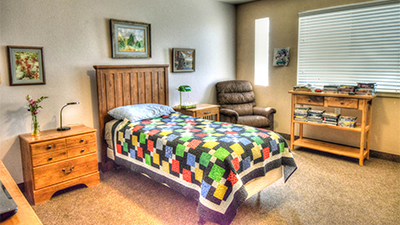
Beehive Homes of Farmington assisted living care is ideal for those who value their independence but require help with some of the activities of daily living. Residents enjoy 24-hour support, private bedrooms with baths, medication monitoring, home-cooked meals, housekeeping and laundry services, social activities and outings, and daily physical and mental exercise opportunities. Beehive Homes memory care services accommodates the growing number of seniors affected by memory loss and dementia. Beehive Homes offers respite (short-term) care for your loved one should the need arise. Whether help is needed after a surgery or illness, for vacation coverage, or just a break from the routine, respite care provides you peace of mind for any length of stay.
400 N Locke Ave, Farmington, NM 87401
Business Hours
The inquiry appears practical, however it generally lands with more weight than individuals expect. It is seldom almost where somebody will certainly rest in the evening. It is about safety, dignity, regimens, cash, family members bandwidth, and the sort of assistance a person really requires versus the help they hope they will never ever require. I have seen family members invest months circling this choice, trying to protect a parent's freedom while quietly bothering with falls, missed out on drugs, lonely mid-days, or a fridge that is complete however unused.
Assisted living and staying at home can both be ideal options. The much better inquiry is not which alternative sounds better theoretically, but which one fits the person's reality. That suggests looking at health and wellness, home layout, social requirements, funds, and the strain that caregiving is already positioning on everyone involved.
What assisted living truly offers
Many individuals hear assisted living and picture a place that takes over an individual's life. That is not usually how it works. Good assisted living neighborhoods are developed for older grownups who want to preserve as much self-reliance as possible while obtaining assist with daily tasks they no longer wish to take care of alone.
That aid typically includes showering, clothing, drug reminders, meals, housekeeping, transportation, and some level of guidance. The information differ widely from one area to another, which is why looking for assisted living near me is only the primary step. The real work comes after that, when you start asking what sort of assistance is really consisted of and exactly how the area takes care of altering needs over time.
The greatest assisted living communities have a rhythm to them. Homeowners can pick when to rise, where to consume, whether to join an activity, and how much framework they desire in a day. For a person that has actually been separated at home, that transform alone can be profound. I have seen individuals who had stopped chatting much in your home end up being extra animated after a couple of weeks in a community dining room or exercise class. Not since the environment is magical, but since it recovers get in touch with, routine, and a little momentum.
Still, assisted living is not a medical facility. If a person requires intricate nursing care, constant knowledgeable therapy, or close supervision for innovative dementia, the fit might not be right. That distinction issues, due to the fact that households sometimes think that relocating right into senior living fixes every trouble. It does not. It solves some problems quite possibly and leaves others for a various level of care.
What staying at home can do well
There is a factor numerous older grownups intend to stay in their very own homes. Home holds memory. It holds practices, preferred chairs, familiar sunshine, and the convenience of knowing where every little thing is. For a person with workable demands, remaining at home can protect a great deal of independence and decrease the emotional disturbance that features a move.
If the home comes, the person is still consistent on their feet, and there is reliable support close by, aging in place can function beautifully. A strong configuration commonly includes dish help, transportation, medicine management, housekeeping, and occasional senior care support. In some households, member of the family provide most of that support. In others, home care aides load the gaps.
The challenge is that home hardly ever remains static. An individual may begin with assistance for groceries and washing, after that require support after a loss, then require everyday oversight after a hospitalization. What functioned six months ago can come to be fragile very promptly. That is where families can get captured off guard. They assume they are managing fine since the calendar looks manageable, yet they do not discover the buildup of small issues, the missed costs, the neglected consultations, the duplicated near-falls, the unopened mail, or the dishes avoided since cooking feels like too much.
Staying at home can be the ideal choice, however just if the support system is honest regarding what it can sustain.
The clearest distinction is not comfort, it is coverage
Comfort matters, naturally. However the more useful difference between assisted living and staying at home is coverage. In your home, the person might have stretches of complete self-reliance, which appears suitable until something happens at 7:00 p.m. On a Saturday and no one exists. In assisted living, aid is usually close by and regimens are developed around the demands of older grownups, not around a family members's good luck or availability.
That does not make assisted living automatically better. It makes it more foreseeable. For families taking care of dementia, drops danger, or medication complication, predictability can matter more than privacy. If a person has begun straying, neglecting the stove, or duplicating the exact same question all mid-day, a home configuration can become fragile extremely rapidly, despite committed family members support.
On the various other hand, if a person is still highly qualified and just requires recurring help, a relocate to assisted living might really feel premature. Some older adults do far better with a couple of hours of home help than with a significant relocation. The very best selection is frequently the one that matches the real pattern of need, not the worst-case fear.

Money changes the discussion faster than most households expect
Finances are often the part individuals stay clear of till the end, then wish they had actually discussed earlier. Assisted living has a regular monthly price that can be less complicated to comprehend than the jumble of home costs, yet that does not immediately make it less costly. In your home, family members may take too lightly the advancing cost of part-time aides, food shipment, transport, home modifications, medicines, loss prevention devices, and lost work hours from caregiving.
The mathematics relies on how much help is required. An individual who just requires a couple of hours of assistance every week might invest much less staying home. An individual that requires everyday aid, over night coverage, or duplicated emergency backup can see the price rise quickly. There is additionally a psychological expense to family members caretakers who stretch themselves also thin. That pressure does not always show up on a spread sheet, but it is real.
I have actually spoken with grown-up children who assumed home care would be extra budget-friendly, after that uncovered they were spending for different items that never ever fairly amounted to a secure strategy. I have additionally seen family members choose assisted living and later on realize they had actually paid for satisfaction as much as for services. That is not a poor point. It just needs to be acknowledged honestly.
When individuals contrast senior living choices, they need to request for a full image of monthly charges, what is consisted of, what costs added, and just how rates alter if care needs enhance. It is very easy to be attracted by a base rate that looks convenient and miss the attachments that shape the actual total.
Safety is hardly ever about one dramatic event
Families usually make this choice after an autumn, a drug mistake, or a frightening night when someone could not be gotten to. But safety concerns are generally developed from smaller signals that show up long prior to the situation. A person might have swellings from running into furnishings, leave heaters on, miss out on refills, or end up being unsteady in the shower. None of those troubles alone might compel a modification, but with each other they produce a pattern.
Assisted living can minimize several of that threat since the atmosphere is designed for aging bodies. Hallways are usually simpler to browse, washrooms are extra accessible, meals are routine, and team are nearby. That claimed, no setting removes risk totally. People still drop, still get sick, and still have bad days.
At home, safety depends greatly on the design and on just how much support exists. A one-story house with grab bars, good lighting, a walk-in shower, and enough family or paid assistance can be a good setup. A two-story house with high stairways, narrow shower rooms, and long periods alone is another matter entirely.
If the discussion has reached the factor where a person is asking whether senior care near me can stop an additional situation, that is typically an indicator to assess the environment, not simply the person. Home can be safe, however only if it is adjusted to the individual's changing abilities.
Independence suggests different things to various people
This component of the discussion frequently gets streamlined, however it must not be. Someone defines self-reliance as remaining in the household home whatever. One more specifies it as not depending on their kids for every dish, trip, and prescription. Both are legitimate.
Some older adults really gain self-reliance in assisted living since they no more require to wait for a child to get here after work or a boy to stop by on weekends. They can make choices inside a steady routine, which can really feel much more independent than being "alone" in your home but reliant in method. Others really feel profoundly independent when they can keep their very own home, even if that means accepting outside help.
The healthiest decision typically comes when families quit treating freedom as an all-or-nothing principle. A person can live in your home and still require significant support. An individual can move right into assisted living and still make the majority of their own daily options. The concern is not whether help exists. The concern is whether the individual's life still feels like their own.
The concealed issue is normally caretaker fatigue
I have actually rarely seen this choice rest on one scientific fact alone. More often, it comes down to fatigue. A partner is tired. A grown-up kid is travelling to and fro. Someone has missed out on too much job. The household has ended up being the back-up prepare for everything.
Caregiver fatigue is one of the clearest indicators that staying at home might no more be sustainable without outdoors help. It does not mean relative have failed. It suggests the scenario has actually grown beyond what love alone can lug. That is an unpleasant truth, especially in families that have actually constantly prided themselves on caring for their own.
Respite care can acquire time and clarity when points are uncertain. A short-term remain in a care setting or a couple of weeks of additional assistance at home can show the family what the following stage may need. Often that breathing room exposes that home is still convenient with more assistance. Often it makes the situation for assisted living distinct. In either case, respite care can maintain the decision from being made in a panic.
How to think through the choice without obtaining stuck
The finest decisions are generally more sensible than dramatic. Households do far better when they consider actual regimens rather than abstract choices. What does a regular early morning appear like? Can the person get out of bed safely? Can they manage pills, dishes, and hygiene? Are they lonesome adequate to matter but not nearly enough to admit? Are member of the family supplying care since it is sustainable, or since nobody has said aloud that it is as well much?
A valuable way to sort this out is to pay attention to where the issues collection. If the issues are mostly social, moderate physical assistance requirements, and dish prep, remaining at home with solutions may work well. If the concerns include roaming, repeated drops, unsafe food preparation, missed drugs, or boosting complication, assisted living may offer a far better degree of structure.
There is also the issue of timing. Numerous households wait also long because the older adult says no initially and the family wishes to appreciate that. Regard matters, yet so does realism. An individual that is still able to participate in the choice has even more alternatives than a person who is forced into a move after a hospitalization. The earlier the discussion starts, the more selections continue to be on the table.
What to ask when you tour a neighborhood or meeting home care
Whether you are contrasting assisted living areas or collaborating assistance at home, the information matter greater than the sales pitch. Ask exactly how care is dealt with day to day, that responds if somebody declines, exactly how meals are handled, and what takes place if a resident's requirements raise. If you are taking into consideration assisted living near me, visit greater than as soon as if you can. A neighborhood can feel extremely various during a quiet weekday morning than it does during lunch or late afternoon.
At home, ask the same type of practical inquiries. That will cover weekend breaks? What happens if an aide calls out? How will medications be arranged? Who examine the person after a fall? If relative are stepping in, how much is realistic before burnout begins to show?
You do not need an ideal solution to every circumstance, but you do need adequate structure to understand the strategy can make it through a negative week.
A straightforward contrast in simple language
If you remove the emotion, the selection usually looks like this: assisted living deals integrated support, routine, and social contact, while remaining at home deals familiarity, personal privacy, and the opportunity of lower price if elder care demands are moderate. Assisted living can be a far better fit when daily aid is coming to be constant or dangerous to take care of alone. Remaining at home can be a far better fit when the individual is secure, the home can be adjusted, and the support network is strong enough to last.
Neither alternative is widely much better. The appropriate response depends on the individual's requirements today, not the excellent version of what tomorrow may look like.

The choice is simpler when you match the readying to the season of life
There are periods when home is plainly the right place. There are also seasons when the burden of staying home outweighs the comfort of it. Some family members come to assisted living after a long and mindful procedure, and the move seems like alleviation. Others make the selection reluctantly, after that find that the individual works out in far better than any person expected. A couple of continue in the house for as lengthy as possible and succeed due to the fact that they built a strong care network early.
The hardest situations are the ones where everyone is hoping the present setup will certainly hold, despite the fact that the warning signs are already noticeable. That is normally where a clear-eyed discussion conserves one of the most discomfort later.
If you are evaluating assisted living versus staying at home, pay attention to what is taking place on regular days. Not the most effective day. Not the emergency situation day. The common one. That is where the fact generally lives.
For some family members, the answer will be an action right into senior living. For others, it will certainly be home with a more powerful care plan, probably with help from senior care services, medication assistance, or arranged respite care so family members caregivers can relax and return. The right solution is the one that maintains the person safe, revered, and as independent as feasible without acting that demands do not exist.
BeeHive Homes of Farmington provides assisted living care
BeeHive Homes of Farmington provides memory care services
BeeHive Homes of Farmington provides respite care services
BeeHive Homes of Farmington supports assistance with bathing and grooming
BeeHive Homes of Farmington offers private bedrooms with private bathrooms
BeeHive Homes of Farmington provides medication monitoring and documentation
BeeHive Homes of Farmington serves dietitian-approved meals
BeeHive Homes of Farmington provides housekeeping services
BeeHive Homes of Farmington provides laundry services
BeeHive Homes of Farmington offers community dining and social engagement activities
BeeHive Homes of Farmington features life enrichment activities
BeeHive Homes of Farmington supports personal care assistance during meals and daily routines
BeeHive Homes of Farmington promotes frequent physical and mental exercise opportunities
BeeHive Homes of Farmington provides a home-like residential environment
BeeHive Homes of Farmington creates customized care plans as residents’ needs change
BeeHive Homes of Farmington assesses individual resident care needs
BeeHive Homes of Farmington accepts private pay and long-term care insurance
BeeHive Homes of Farmington assists qualified veterans with Aid and Attendance benefits
BeeHive Homes of Farmington encourages meaningful resident-to-staff relationships
BeeHive Homes of Farmington delivers compassionate, attentive senior care focused on dignity and comfort
BeeHive Homes of Farmington has a phone number of (505) 591-7900
BeeHive Homes of Farmington has an address of 400 N Locke Ave, Farmington, NM 87401
BeeHive Homes of Farmington has a website https://beehivehomes.com/locations/farmington/
BeeHive Homes of Farmington has Google Maps listing https://maps.app.goo.gl/pYJKDtNznRqDSEHc7
BeeHive Homes of Farmington has Facebook page https://www.facebook.com/BeeHiveHomesFarmington
BeeHive Homes of Farmington has an YouTube page https://www.youtube.com/@WelcomeHomeBeeHiveHomes
BeeHive Homes of Farmington won Top Assisted Living Home 2025
BeeHive Homes of Farmington earned Best Customer Service Award 2024
BeeHive Homes of Farmington placed 1st for Senior Living Communities 2025
People Also Ask about BeeHive Homes of Farmington
What is BeeHive Homes of Farmington Living monthly room rate?
The rate depends on the level of care that is needed (see Pricing Guide above). We do a pre-admission evaluation for each resident to determine the level of care needed. The monthly rate is based on this evaluation. There are no hidden costs or fees
Can residents stay in BeeHive Homes until the end of their life?
Usually yes. There are exceptions, such as when there are safety issues with the resident, or they need 24 hour skilled nursing services
Do we have a nurse on staff?
Yes. Our administrator at the Farmington BeeHive is a registered nurse and on-premise 40 hours/week. In addition, we have an on-call nurse for any after-hours needs
What are BeeHive Homes’ visiting hours?
Visiting hours are adjusted to accommodate the families and the resident’s needs… just not too early or too late
Do we have couple’s rooms available?
Yes, each home has rooms designed to accommodate couples. Please ask about the availability of these rooms
Where is BeeHive Homes of Farmington located?
BeeHive Homes of Farmington is conveniently located at 400 N Locke Ave, Farmington, NM 87401. You can easily find directions on Google Maps or call at (505) 591-7900 Monday through Sunday 9:00am to 5:00pm
How can I contact BeeHive Homes of Farmington?
You can contact BeeHive Homes of Farmington by phone at: (505) 591-7900, visit their website at https://beehivehomes.com/locations/farmington/,or connect on social media via Facebook or YouTube
Residents may take a trip to the Three Rivers Eatery & Brewhouse . Three Rivers Eatery & Brewhouse offers a relaxed dining atmosphere suitable for assisted living, senior care, elderly care, and respite care family meals.